Custom rigid PCBs, or printed circuit boards, are important parts of industrial sensors and monitoring devices. These boards connect different electronic components, allowing machines to function properly. When we talk about "custom," it means that these PCBs are made to fit the specific needs of a business or device. Companies like Engine focus on creating these unique PCBs to help improve technology in various industries. For instance, a factory that uses sensors to check temperature and pressure can rely on custom rigid PCBs to ensure that the sensors give accurate readings. This leads to better performance of machines and helps businesses run more efficiently.
How Custom Rigid PCBs Enhance Monitoring Device Performance
Custom rigid PCBs play a big role in making monitoring devices work better. When engineers design a monitoring device, they think about how it will collect data, process it, and send it to users. A well-designed PCB is crucial for this process. For example, if a monitoring device needs to check the air quality in a building, a custom PCB can be made to support the specific sensors that measure gases and particles. This means that the device gets accurate readings, and users get reliable information.
Another important point is that custom rigid PCBs can help reduce the size of devices. In many cases, smaller devices are easier to use and can be placed in tighter spaces. This is especially important in industrial settings where equipment must fit into specific areas. With custom PCBs, the design can be tailored to fit perfectly with other components, making the whole device more compact. This not only saves space but also makes the device more energy-efficient.
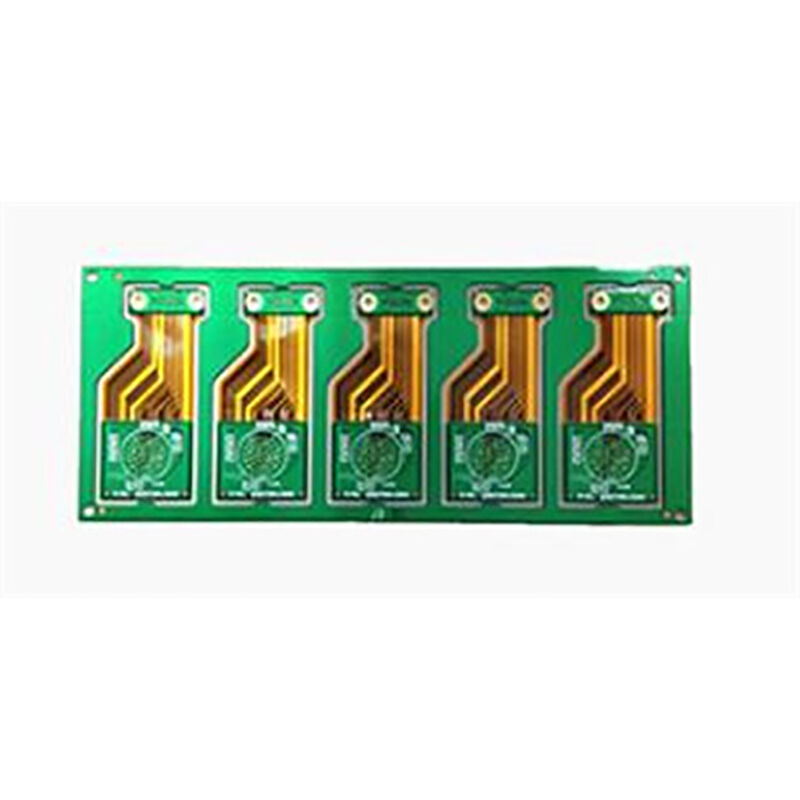
Moreover, these custom PCBs can be designed to withstand harsh conditions found in industrial environments. They can be made with materials that resist heat, water, and dust. This durability ensures that monitoring devices remain functional for a long time, even when exposed to tough conditions. For example, a factory that monitors machinery for wear and tear can rely on custom rigid PCBs that keep working even in high temperatures or with exposure to oil. This reliability is crucial for maintaining operations without interruptions.
Lastly, custom rigid PCBs can be updated easily. In a world where technology keeps changing, it's important for devices to adapt. Engine creates PCBs that can be modified without needing a complete redesign of the device. This means businesses can keep their equipment up to date with the latest technology, leading to improved monitoring and control. In turn, this helps businesses save money and time in the long run.
Where to Find High-Quality Custom Rigid PCBs for Your Business
Finding high-quality custom rigid PCBs can be challenging, but there are places to look. One of the best options is to go directly to companies that specialize in making PCBs, like Engine. These companies have the expertise and experience to create PCBs that meet specific needs. When searching for a PCB supplier, it's important to check their reputation. Look for reviews or case studies that show how their products have helped other businesses. This can give you confidence in their ability to deliver quality work.
Another thing to consider is the level of customization offered. Not all PCB manufacturers provide the same level of customization. Some might only offer a few options, while others, like Engine, can create PCBs tailored to your exact specifications. This flexibility is important, especially if your business has unique requirements for its monitoring devices.
It's also wise to check the technology they use. Advanced manufacturing techniques can lead to better quality PCBs. For instance, companies that use automated processes often produce more precise and reliable boards. This can make a big difference in how well your monitoring devices perform over time.
Cost is another factor to think about. While you want high-quality PCBs, you also need to stay within budget. Some companies might offer lower prices, but this can sometimes mean sacrificing quality. It's essential to balance cost with quality to ensure that you get the best value.
Lastly, consider the customer support that a company provides. Good communication is key when working on custom projects. A company that is responsive and helpful can make the process smoother, ensuring that your needs are met and any issues are quickly resolved. Engine is known for its commitment to customer satisfaction, making it a reliable choice for businesses looking for custom rigid PCBs.
In summary, finding the right custom rigid PCBs involves looking for quality, customization options, technology, cost, and customer support. By focusing on these areas, businesses can find the right partner to enhance their industrial sensors and monitoring devices.
Common Issues in Custom Rigid PCB Production and How to Avoid Them
When making custom rigid printed circuit boards (PCBs), there are several common problems that can happen. One major issue is mistakes in the design. If the layout of the PCB is not correct, it can lead to things not working properly. This might happen if the circuits are too close together or if the paths for electricity are not clear. To avoid these issues, it is important to use good design software and to double-check the designs before moving on to production. Another problem can be the materials used. Not all materials are suitable for every project. For example, if a PCB will be exposed to high temperatures or moisture, the wrong materials can cause it to break or fail. Choosing the right materials from the start will help keep the PCB working well.
Another common problem is production errors. These can happen if the machines that make the PCBs are not working correctly or if the workers are not careful. To prevent this, companies like Engine make sure to train their workers well and keep the machines in good shape. Regular checks and maintenance can help spot problems before they become serious. Lastly, sometimes the delivery of the PCBs can be delayed. This can happen for many reasons, like shipping issues or unexpected demand. To avoid this, it's good to plan ahead and order PCBs early. By thinking ahead and taking these steps, companies can produce high-quality custom rigid PCBs that work well in industrial sensors and monitoring devices.
How to Choose the Right Custom Rigid PCBs for Your Monitoring Needs
Choosing the right custom rigid PCBs is very important for monitoring devices. First, you need to think about what the PCB will be used for. Different devices require different types of PCBs. For example, if the monitoring device needs to measure temperature, the PCB must be able to handle sensors that work well at various temperatures. It is also important to look at the size of the PCB. Some devices are small and need compact PCBs, while others can be larger. When you know the size and type of device you need, it becomes easier to choose the right PCB.
Another important factor is the environment where the PCB will be used. If the PCB will be in a wet or dusty place, it needs to be made with materials that resist moisture and dirt. This will help the PCB last longer and work correctly. It’s also a good idea to think about how much power the PCB will need. Some devices need a lot of power, while others need very little. Choosing a PCB that can handle the right amount of power is essential for ensuring your monitoring devices work properly.
Lastly, think about the budget. Custom pcb rigid PCBs can vary in price based on their complexity and materials. Engine helps customers find PCBs that fit both their needs and their budget. It’s a good idea to discuss your requirements with a knowledgeable team. They can help you understand the options available and choose the best PCB for your monitoring needs.
Best Practices and Tips
When working with custom rigid PCBs, following best practices can make a big difference. One important practice is to always communicate clearly with your PCB manufacturer. Companies like Engine encourage open discussions about your project’s needs and goals. This way, everyone is on the same page, and the final product will meet your expectations. Another tip is to create a detailed design document. This should include all the specifications and requirements for the PCB. A well-thought-pcb circuit board out document can help avoid confusion and mistakes during production.
Testing is also a key part of working with PCBs. Before using a PCB in a final product, it’s wise to test it to ensure it works correctly. This can include checking for electrical signals, making sure all connections are good, and verifying that the PCB can handle the conditions it will face in real life. If problems are found during testing, it is easier to fix them before the PCB is fully integrated into a device.
Finally, keep learning! The world of technology is always changing, and new methods and materials are pcba circuit board constantly being developed. By staying updated on the latest trends and technologies in PCB manufacturing, you can make better choices for your projects. Engine is committed to helping customers stay informed and make the best decisions for their custom rigid PCBs. Following these best practices can lead to successful projects and satisfied customers!